 Chef Matt Cooks
Sweating vs Sauteing Vegetables: Choose the Right Heat
- What is the difference between sweating and sautéing vegetables?
- Sweating vs sautéing at a glance
- What does it mean to sweat vegetables?
- What does it mean to sauté vegetables?
- Choose the method from the finished dish
- Prepare vegetables for either method
- How to sweat vegetables without browning
- How to sauté vegetables for colour and texture
- Can you switch from sweating to sautéing?
- Troubleshoot the pan by its symptoms
- Keep both techniques safe
- Sources
What is the difference between sweating and sautéing vegetables?
Sweating vegetables uses controlled low-to-medium heat to soften them and draw out moisture without deliberate browning. Sautéing uses a hotter pan and a small amount of fat to cook vegetables quickly, often with some surface colour. Choose sweating when the vegetables should melt quietly into a soup, sauce, or braise. Choose sautéing when they should keep a clearer shape, firmer texture, or browned edge.
Sweating vs sautéing at a glance
| Decision | Sweating | Sautéing |
|---|---|---|
| Main goal | Soften and release moisture without deliberate browning | Cook quickly, often with surface browning |
| Heat | Low to medium, adjusted down if edges colour | Medium-high or otherwise hot enough for the recipe |
| Pan sound | Gentle, moist sizzling | Clearer, more active sizzling |
| Movement | Stir often enough to prevent catching | Turn or stir for even contact without constant fussing |
| Crowding | Some contact is manageable while moisture escapes | Space matters; crowding can turn the step into steaming |
| Finish cue | Tender or translucent, still pale | Tender to the recipe's degree, with the intended colour |
| Common use | Aromatic base for soup, sauce, or braise | Finished vegetables, quick-cooking pieces, browned flavour |
What does it mean to sweat vegetables?
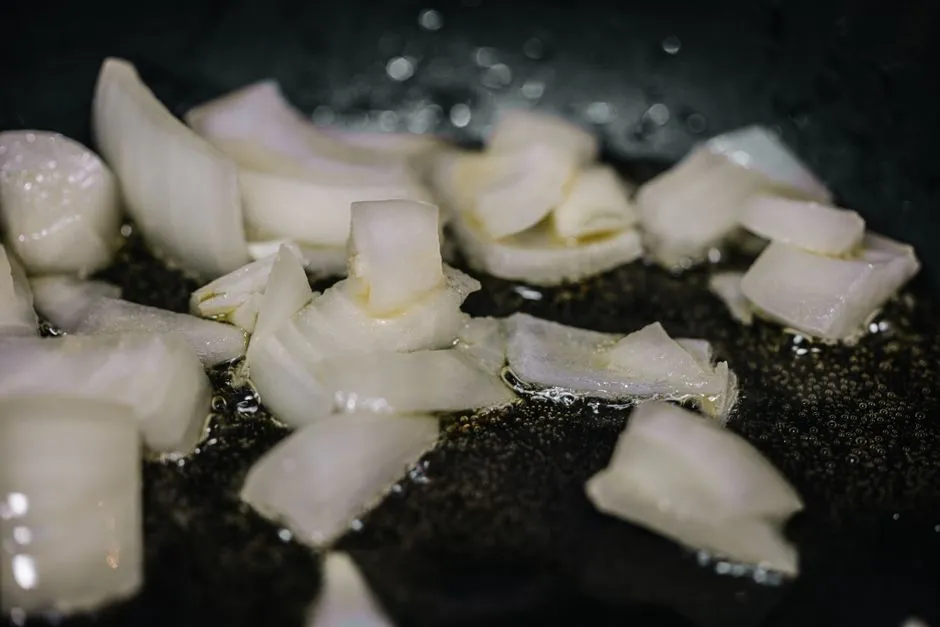
Sweating is a gentle start for aromatic vegetables such as onion, celery, leek, fennel, or carrot. The Culinary Institute of America describes sweating mirepoix as cooking it over low heat in fat until it begins to release its own moisture. Its hearty-vegetable-soup guide uses limp and translucent aromatics as the visual cue.
The point is not to boil vegetables in their liquid. It is to soften them, release aroma, and build a pale base without the deeper flavour and colour created by browning. If the recipe is meant to remain light in colour, brown edges are evidence that the pan is moving away from the intended result.
What does it mean to sauté vegetables?
Sautéing cooks relatively quickly in a small amount of fat. A professional-cooking text hosted by Escoffier describes a hot pan, enough fat to coat the bottom, and a batch small enough that the pan temperature does not fall so far that the vegetables simmer instead. Browning may or may not be desirable depending on the vegetable and preparation.
That last qualification matters. “Sauté” does not always mean “make everything dark.” Tender greens may simply wilt and gloss; sliced mushrooms may be taken further for colour. The recipe's target decides. The shared features are a hotter pan, a relatively short pan stage, and enough room and heat to avoid an accidental wet simmer.
Choose the method from the finished dish
Ask three questions:
- Should the vegetables disappear into the base or remain distinct? Sweat an aromatic base that should soften into a soup or sauce. Sauté pieces that should keep more identity.
- Is browning useful? Sweat when colour would muddy a pale dish. Sauté when browned edges belong in the final flavour and appearance.
- How quickly does each ingredient cook? Firm, larger pieces need a head start. Small garlic or delicate herbs generally enter later so they do not burn while larger vegetables soften.
Prepare vegetables for either method
Rinse fresh produce under running water before cutting or cooking it. The FDA advises against soap, detergent, and commercial produce wash. Trim damaged areas and discard produce that looks rotten. Keep the board, knife, utensils, and hands clean, particularly when the same kitchen also handles raw meat, poultry, or seafood.
Cut each vegetable into reasonably even pieces so it cooks at a similar pace. The size should suit the method and the dish: small aromatic dice soften efficiently for a base, while larger pieces preserve more texture. Our guide to caramelizing onions shows what happens when the goal changes from pale softening to prolonged, deep browning.
Prepare every ingredient before heating the pan. Once a sauté begins, there may not be time to finish cutting garlic or measure the next liquid. Dry surface water from washed vegetables when the recipe needs browning; excess water cools the pan and creates steam.
How to sweat vegetables without browning
- Choose a suitable pan. Use enough surface area for the vegetables to sit in a manageable layer and for you to stir without spilling.
- Add the recipe's fat and moderate the heat. The fat should coat the vegetables lightly, not pool deeply around them.
- Add the longer-cooking aromatics first. CIA advises beginning with larger vegetables and adding smaller aromatics such as garlic after the larger pieces start to soften.
- Stir and watch the edges. The pan should sound gentle rather than harsh. Lower the heat if vegetables colour around the edges.
- Use only the recipe's moisture adjustment. CIA notes that a splash of broth, wine, or water can prevent aromatic vegetables from burning, while too much liquid steams them. Add liquid carefully around hot fat.
- Stop at the intended texture. For many bases, that means softened or translucent vegetables with little or no browning. Continue with the soup, sauce, or braise as the recipe directs.
How to sauté vegetables for colour and texture
- Heat the pan as the recipe directs. Do not leave an empty pan unattended or chase smoke as a readiness test.
- Add a small amount of suitable fat. If the fat smokes, turn off the burner and let the pan settle.
- Add a manageable batch. Leave enough room for moisture to escape. Divide a large quantity rather than packing it into one pan.
- Let the pan recover. After the vegetables enter, give the surface time to regain active heat before turning everything repeatedly.
- Turn for even cooking. Use a spatula or spoon and expose new surfaces to the pan. Avoid stirring so constantly that no surface stays in contact long enough to colour.
- Remove at the recipe's cue. Judge the intended browning and tenderness, not a generic clock. Move finished vegetables out of the hot pan so residual heat does not push them past the target.
Can you switch from sweating to sautéing?
Yes, when the dish permits it. Once sweated vegetables have softened and much of their released moisture has evaporated, raising the heat can move them toward browning. This is a deliberate two-stage method, not evidence that the first stage failed.
Troubleshoot the pan by its symptoms
Vegetables brown while they are supposed to sweat
Lower the heat and stir. If the recipe allows, add its stated small splash of liquid. Check for a thin pan, an oversized burner, too little fat, or pieces sitting untouched over a hot spot.
Vegetables release a pool of water while sautéing
The pan may be crowded, the food unusually wet, or the surface not recovered after the batch went in. Remove part of the batch if that can be done safely and let moisture evaporate under observation. Do not pour it into hot fat carelessly.
Small aromatics burn before larger vegetables soften
The order is wrong for the cut sizes. Start the larger, firmer vegetables first and add garlic or other small aromatics later. Discard blackened, bitter pieces rather than hiding them in the finished dish.
Keep both techniques safe
Stay beside the pan. The U.S. Fire Administration says to turn off the burner if you leave, turn it off when you see smoke or grease begins to boil, keep handles toward the back, and keep a lid or baking sheet nearby to cover a pan fire.
Add damp vegetables or recipe liquids slowly because hot fat can spit and steam can burn. Keep your face and hands back. Use dry oven gloves for hot handles, keep loose sleeves and packaging away from the hob, and set the pan fully on the burner.
Sources
- Culinary Institute of America: The Essential Cooking Techniques
- Culinary Institute of America: Recipes Between the Lines—Mirepoix
- Wayne Gisslen, Professional Cooking: Sautéing and Pan-Frying (Escoffier School resource)
- U.S. Food and Drug Administration: Selecting and Serving Produce Safely
- U.S. Fire Administration: Cooking Fire Safety
Frequently asked questions
What does sweating vegetables mean?
Sweating gently cooks aromatic vegetables in a small amount of fat until they soften and release moisture, with little or no browning. It commonly builds a pale base for soup, sauce, or braise.
What does sautéing vegetables mean?
Sautéing cooks vegetables relatively quickly in a hot pan with a small amount of fat. Browning depends on the recipe, but the pan should not be so crowded that the vegetables simmer in released water.
Why are my vegetables browning while I sweat them?
The heat may be too high, the pan may have a hot spot, or the vegetables may need more movement. Lower the heat, stir, and add only the small amount of liquid permitted by the recipe.
Why do sautéed vegetables turn watery?
Crowding, surface water, or a pan that did not recover after the food went in can create a wet simmer. Use a smaller, drier batch and allow room for moisture to escape.
Can I brown vegetables after sweating them?
Yes, if the dish permits it. After the vegetables soften and released moisture evaporates, higher heat can move them toward browning. Browning cannot be reversed if the dish required a pale base.