 Chef Matt Cooks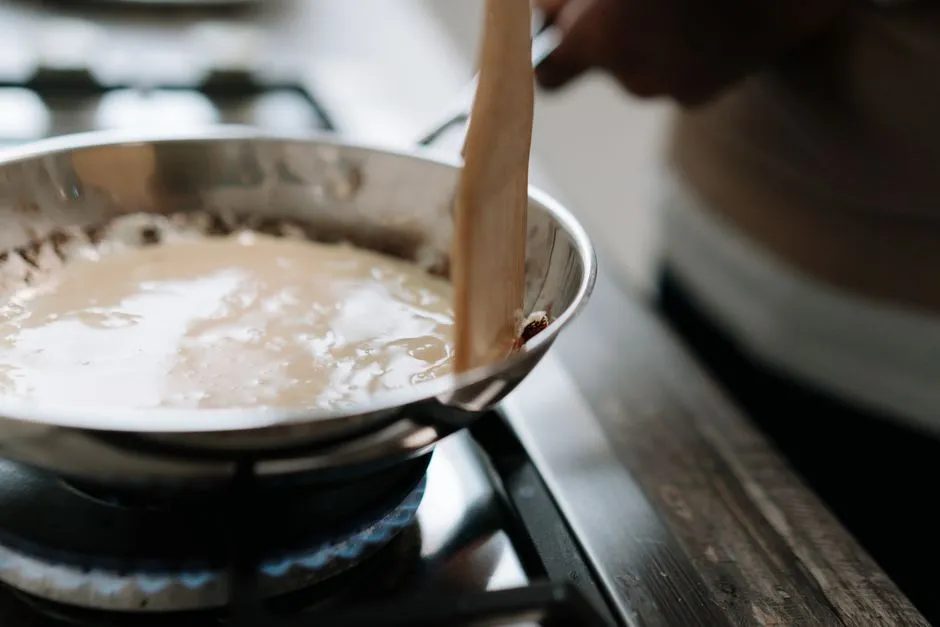
How to Emulsify a Vinaigrette That Coats the Salad
To emulsify vinaigrette, whisk the vinegar, seasonings and recipe-specified mustard or other emulsifier first.
Build sauces from stages you can observe and measurements you can repeat: deglaze, reduce, thicken, emulsify, and finish. Ratios, temperatures, volumes, and substitutions must remain internally consistent in a home kitchen.
To emulsify vinaigrette, whisk the vinegar, seasonings and recipe-specified mustard or other emulsifier first.
Fix a broken emulsion by identifying the sauce before adding anything. Stop adding fat and remove a warm sauce from direct heat.
Make roux with equal weights of fat and flour. For about 2 cups (475 mL) of medium-thick sauce, start with 30 g butter and 30 g all-purpose flour.
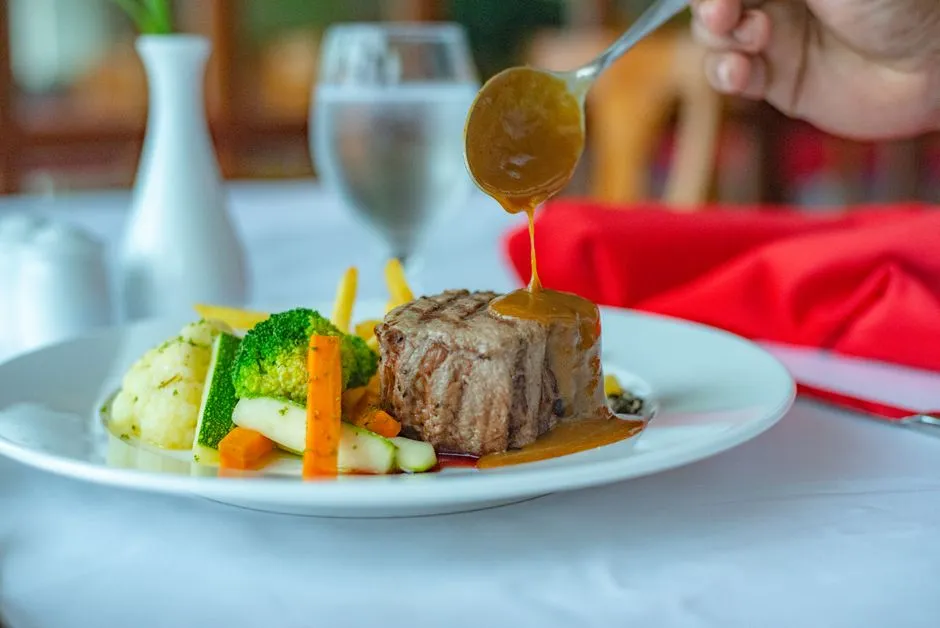
To make a pan sauce, sear meat in a stainless or cast iron pan, remove it to rest, and pour off all but a tablespoon of fat.