 Chef Matt Cooks
How to Make a Pan Sauce: One Master Method, Endless Sauces
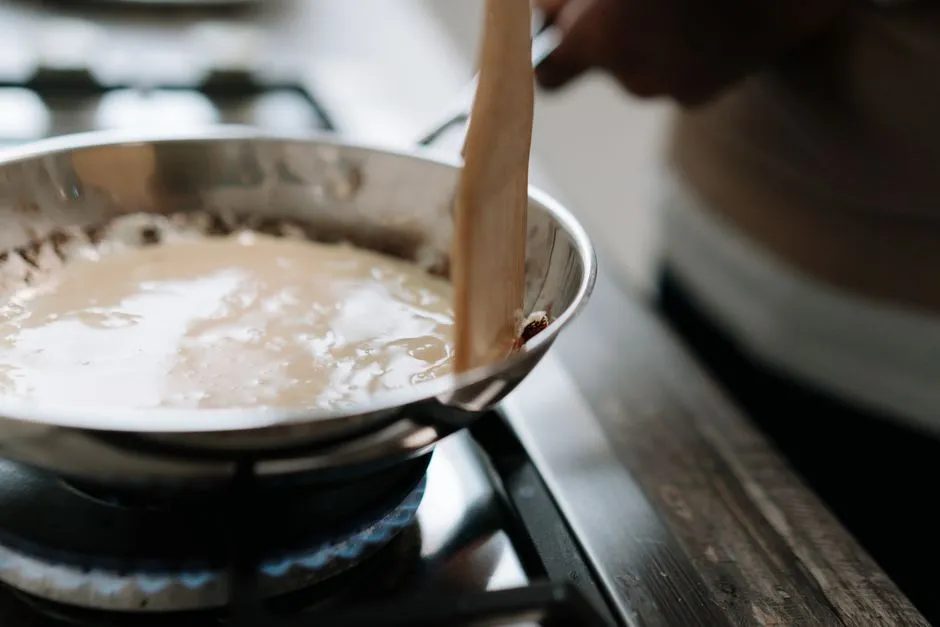
How to Make a Pan Sauce in 5 Steps
A pan sauce is made by cooking meat in a hot pan, pouring off excess fat, sautéing aromatics in the same pan, deglazing the browned drippings (the fond) with wine or stock, reducing that liquid until it thickens slightly, and finishing it off the heat with cold butter. The whole process takes five to eight minutes and uses the pan you already dirtied. That's the entire method — everything else in this guide is detail, ratios, and the judgment calls that separate a thin, harsh sauce from a glossy one that tastes like a restaurant made it.
Here it is in sequence:
- Sear your meat, then rest it on a plate. Keep the pan.
- Pour off all but about a tablespoon of fat, then sauté a minced shallot over medium heat until softened, about 1 minute.
- Deglaze with about 1/2 cup (120 ml) of wine or other acidic liquid, scraping up the fond. Reduce by roughly half.
- Add about 3/4 cup (180 ml) of stock and reduce again until the sauce coats the back of a spoon — usually 3 to 5 minutes at a hard simmer.
- Off the heat, swirl in 2 to 3 tablespoons of cold butter, one piece at a time. Season, taste, and pour over the rested meat.
Learn that sequence once and you never need another pan sauce recipe. Swap the liquid, the aromatic, and the finishing flourish, and the same five steps produce a red wine sauce for steak, a lemon-caper sauce for chicken, a mustard-cream sauce for pork — endless sauces, one method.
What Is Fond? (The Reason Pan Sauces Exist)
Fond is the layer of browned, caramelized drippings stuck to the bottom of a pan after searing meat or vegetables. The word is French for "base" or "foundation," and that's exactly what it is: concentrated browning flavor created by the Maillard reaction, the same chemistry that makes a seared crust taste better than boiled meat. Fond looks like a problem — a stuck-on brown crust you'd normally scrub off — but it dissolves readily in hot liquid, and once dissolved it becomes the backbone of your sauce.
Two rules about fond:
- Brown fond is flavor. Black fond is bitterness. Golden to deep mahogany means proceed. If patches are truly scorched — matte black, acrid-smelling — a pan sauce will taste burnt. Wipe the pan and rely on stock, aromatics, and butter instead.
- Nonstick pans barely make fond. The coating that stops sticking also stops drippings from adhering and browning. For real pan sauces, sear in stainless steel, carbon steel, or cast iron. (One caution on cast iron: a long simmer with wine or lemon juice can strip seasoning and pick up metallic flavors, so keep acidic reductions there brief.)
This is why pan sauces begin where a good sear ends. If your steak technique needs work, fix that first — our guide to searing steak with a proper crust covers pan choice, preheating, and the timing that produces heavy fond worth deglazing.
The Master Method in Detail
Step 1: Sear, Then Rest the Meat
Cook your steak, chicken breast, chop, or fish fillet in a stainless or cast iron pan with a high-heat oil. When it's done, move it to a plate to rest. Resting isn't just for the meat — it's your sauce window. A pan sauce takes about five minutes, which is almost exactly how long a steak or chop should rest anyway. The two jobs fit together on purpose.
Don't wash the pan. Don't even wipe it, unless it's burnt.
Step 2: Manage the Fat and Add Aromatics
Pour off the rendered fat until roughly a tablespoon remains. Too much fat makes a greasy, broken sauce; too little and your aromatics scorch.
Drop the heat to medium and add your aromatic — the classic is one minced shallot (about 2 tablespoons). Garlic, minced onion, or a teaspoon of fresh thyme all work. Sauté for about a minute, until softened and fragrant but not browned. The pan is still hot from searing, so this happens fast; stir constantly.
Uniform mincing matters more here than almost anywhere else, because unevenly cut shallot means some pieces burn while others stay raw in a sauce this quick. If your mince is ragged, the fix is mechanical, not magical — see our breakdown of the classic knife cuts and their sizes.
Step 3: Deglaze the Pan
Deglazing means adding liquid to a hot pan to dissolve the browned fond off the bottom. Pour in about 1/2 cup (120 ml) of liquid — dry white wine, red wine, dry vermouth, brandy — and immediately scrape the pan bottom with a wooden spoon or flat-edged spatula. The liquid will hiss and steam hard; that's normal. Within 30 seconds or so of scraping, the fond should lift and dissolve, turning the liquid a deep brown.
Three practical notes:
- Take the pan briefly off the burner before adding alcohol, especially over a gas flame. Wine poured into a ripping-hot pan on an open flame can flare. Off the heat, pour, scrape, then return to the burner.
- Reduce the deglazing liquid by about half before moving on. This cooks off the raw alcohol harshness and concentrates flavor. You're looking for roughly 1/4 cup remaining.
- Cold liquid into a screaming-hot pan can warp thin pans. Let a very hot pan sit 30 seconds first; the fond isn't going anywhere.
Step 4: Add Stock and Reduce
Add about 3/4 cup (180 ml) of stock — chicken stock is the workhorse; beef stock suits steak sauces. Raise the heat and hold a vigorous simmer.
Reduction is where the sauce gets its body. You're evaporating water to concentrate gelatin and flavor, and the visual target is a sauce that coats the back of a spoon: dip a spoon in, drag your finger across the back, and the line should hold cleanly. From 1 cup of combined liquid, expect to end with roughly 1/3 to 1/2 cup of sauce after 3 to 5 minutes of hard simmering. Homemade stock, rich in gelatin, gets noticeably silkier than boxed stock — with the boxed kind, reduce a little further or lean on the butter in the next step.
Two warnings: reduction concentrates salt, so season at the end, never before reducing. And a sauce that tastes flat at this stage usually needs acid, not salt — a teaspoon of lemon juice or a splash more wine wakes it up.
Step 5: Mount with Butter (Monter au Beurre)
Off the heat, add 2 to 3 tablespoons of cold butter, cut into pieces, swirling or whisking constantly as each piece melts before adding the next. This technique — monter au beurre — emulsifies butterfat into the reduction, transforming a thin brown liquid into a glossy sauce with real body.
The butter must be cold and the pan off direct heat. If the sauce is at a rolling boil when butter goes in, the emulsion can break, leaving an oily slick instead of a glossy sauce. Warm-but-not-boiling is the zone. If it does break, a teaspoon of cold water whisked in hard will often bring it back.
Taste, season with salt and pepper, stir in any resting juices from the meat plate, and serve immediately. Pan sauces are made to order — they don't hold well and they don't reheat gracefully.
How to Deglaze Without Wine
No wine, or don't cook with alcohol? The sauce works fine — wine contributes acidity and aroma, and both are replaceable. Deglaze with one of these instead of the 1/2 cup of wine:
- Stock plus acid: use stock for the full liquid amount, then finish with 2 to 3 teaspoons of lemon juice or 1 to 2 teaspoons of vinegar (sherry, red wine, or balsamic) at the end. This is the most reliable swap.
- Unsweetened apple cider or white grape juice, cut with a splash of vinegar so the sauce doesn't turn sweet.
- Brine from capers or a splash of pickle liquid — assertive, excellent with chicken and pork; add gradually and taste.
The only real mistake is skipping acid entirely. Without it, a reduced stock-and-butter sauce tastes heavy and one-note.
One Method, Many Sauces
Every classic below is the master method with different plug-ins:
| Sauce | Best with | Deglaze (Step 3) | Finish (Step 5) |
|---|---|---|---|
| Red wine–shallot | Steak | Red wine | Butter + thyme |
| Lemon-caper (piccata style) | Chicken, fish | White wine | Butter + lemon juice + capers |
| Mustard-cream | Pork, chicken | White wine or stock | 1/4 cup cream + 1 tbsp Dijon (skip most of the butter) |
| Brandy-peppercorn | Steak | Brandy | Butter + cracked peppercorns + splash of cream |
| Balsamic-onion | Steak, pork | Balsamic + stock | Butter, folded through slow-cooked sweet onions |
For pan sauce for steak, beef fond is intense, so match it: red wine, beef stock, and a generous butter mount. For pan sauce for chicken, the fond is lighter and the meat leaner, so brighter flavors win — white wine, lemon, capers, fresh herbs. Cream-finished versions are the most forgiving for beginners because cream is a stable emulsion that rarely breaks.
The balsamic-onion row hints at a bigger idea: sweet, deeply browned onions are themselves a fond-building ingredient, and folding them into a pan sauce adds a layer reduction alone can't. That browning process has its own rules and honest timing — see how to caramelize onions properly.
Troubleshooting Quick Reference
- Sauce is thin: under-reduced. Simmer longer before the butter goes in — thickness comes from reduction, not from more butter.
- Sauce is greasy or broken: too much fat left in the pan, or butter added over high heat. Whisk in a teaspoon of cold water off the heat.
- Sauce is bitter: scorched fond. Next time, pull the pan sooner or sear at slightly lower heat.
- Sauce is too salty: over-reduced or seasoned too early. Stretch it with unsalted stock or water and a little more butter.
- No fond formed: nonstick pan, wet meat going into the pan, or a crowded pan that steamed instead of seared.
Master the five steps and the pan stops being cleanup — it becomes the last course of the recipe.
Frequently asked questions
What is fond in cooking?
Fond is the layer of browned, caramelized drippings stuck to the bottom of a pan after searing meat or vegetables. The word is French for 'base.' It forms through the Maillard reaction and dissolves when you add hot liquid to the pan — a step called deglazing — becoming the concentrated flavor backbone of a pan sauce. Brown fond is flavor; blackened, acrid fond is burnt and will make the sauce bitter, so wipe the pan and start fresh if it scorched.
How do you make a pan sauce without wine?
Replace the wine with stock for the full liquid amount, then add acid at the end: 2 to 3 teaspoons of lemon juice or 1 to 2 teaspoons of vinegar such as sherry or balsamic. Unsweetened apple cider cut with a splash of vinegar also works, as does a little caper brine with chicken or pork. The key is not skipping acid entirely — without it, a reduced stock-and-butter sauce tastes heavy and flat.
Why did my pan sauce break or turn greasy?
Two usual causes: too much fat was left in the pan before deglazing, or the butter was added while the sauce was boiling hard. Pour off all but about a tablespoon of fat after searing, and mount the butter off direct heat, adding cold pieces one at a time while swirling constantly. If the sauce does break into an oily slick, whisking in a teaspoon of cold water off the heat will often re-emulsify it.
How thick should a pan sauce be?
A finished pan sauce should coat the back of a spoon: dip a spoon in, drag your finger across the back, and the line should hold cleanly. That body comes from reduction, not thickeners — expect roughly 1 cup of combined deglazing liquid and stock to reduce to 1/3 to 1/2 cup over 3 to 5 minutes of hard simmering, before the butter goes in. If the sauce is thin, simmer longer; more butter won't fix an under-reduced sauce.
Can you make a pan sauce in a nonstick pan?
Not well. The same coating that keeps food from sticking prevents drippings from adhering and browning, so nonstick pans develop little or no fond — and fond is the whole point of a pan sauce. Sear in stainless steel, carbon steel, or cast iron instead. With cast iron, keep acidic reductions like wine or lemon brief, since a long simmer with acid can strip seasoning and leave a metallic taste.
Can you make a pan sauce ahead of time or reheat it?
Pan sauces are best made to order. The butter emulsion is fragile: it can separate as the sauce cools and often breaks when reheated, especially over high heat. Since the sauce takes only about five minutes — roughly the time seared meat should rest anyway — the practical move is to build it while the meat rests. If you must rewarm it, do so gently over low heat, whisking, and expect the texture to suffer somewhat.